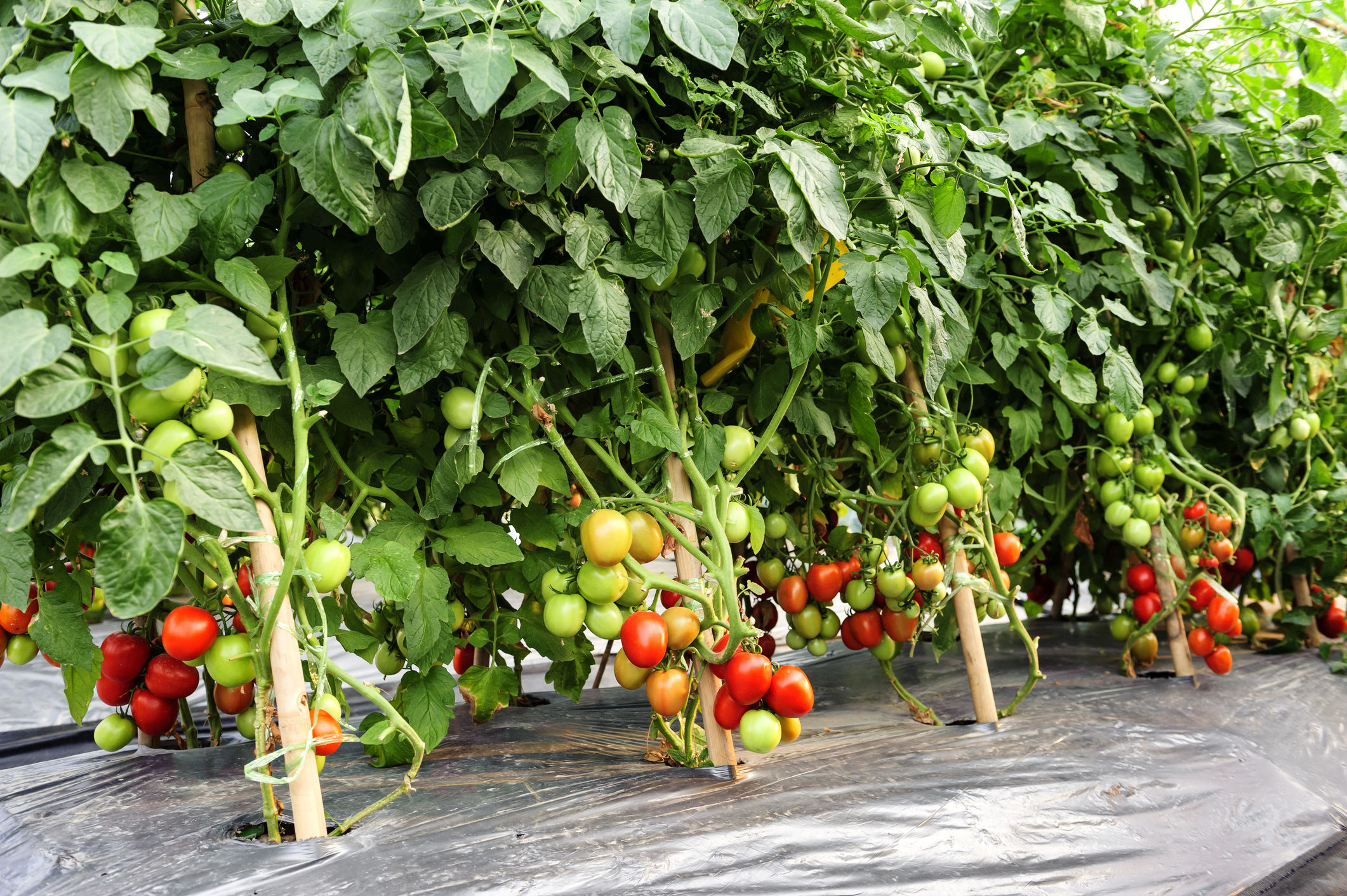
The Role of Centralized Databases and Robust Data Analysis in Plant Nutrition Trials
Published: diciembre 16, 2025
Plant nutrition trials generate complex datasets across crops, environments, and growing seasons. Whether the goal is nutrient use efficiency, fertilizer performance evaluation, or early-stage product development, the reliability of conclusions depends on how trial data is captured, structured, and analyzed. In modern agricultural R&D, this increasingly requires dedicated field trial software y agriculPlant nutrition trials generate complex datasets across crops, environments, and growing seasons. Whether the goal is nutrient use efficiency, fertilizer performance evaluation, or early-stage product development, the reliability of conclusions depends on how trial data is captured, structured, and analyzed. In modern agricultural R&D, this increasingly requires dedicated field trial software y agricultural data management platforms, rather than disconnected spreadsheets.
Beyond experimental design, centralized data management and robust analytical methods are essential for ensuring consistency, comparability, and long-term usability of trial results. When supported by agronomic data analysis software y multi-location trial software, plant nutrition research can move from isolated observations to evidence-based decision-making across environments.
Centralized Data Management in Plant Nutrition Research
Plant nutrition trials are often conducted across multiple environments, seasons, and crop systems. Data may include fertilizer treatments, soil amendments, biostimulants, nutrient uptake measurements, environmental variables, and yield responses. When this information is stored in separate files or local systems, maintaining consistency and traceability becomes difficult.
A centralized R&D trial management system or agricultural trial management software enables all trial-related information to be stored in a structured and standardized format. This includes experimental layouts, treatments, soil characteristics, environmental conditions, and measured traits. Centralized systems reduce errors associated with manual data handling and improve collaboration across research teams.
Over time, centralized data storage becomes a cumulative knowledge base. Historical datasets from nutrient efficiency trials, biofertilizer studies, or soil amendment evaluations are critical for interpreting variability and placing new results in context. This long-term perspective is especially important in plant nutrition, where treatment responses are often highly environment-dependent.
The Importance of Robust Data Analysis
Plant nutrition trials conducted in the field or greenhouse are influenced by many sources of variation, including soil heterogeneity, weather conditions, management practices, and genotype. Robust data analysis is required to distinguish treatment effects from background noise and to quantify uncertainty accurately.
Modern crop trial evaluation software y statistical analysis tools for crop trials support objective assessment of nutritional treatments by enabling researchers to:
- Estimate treatment effects with appropriate confidence
- Account for experimental design and random effects
- Identify interactions between nutrients, environment, and genotype
- Support reproducibility and transparency in reported results
Advanced analytical approaches, such as multi-environment trial analytics y GxE analysis software, are particularly valuable when evaluating fertilizers, biostimulants, or plant nutrition inputs across diverse regions.
In early product development, where datasets may be limited, rigorous analysis is critical to avoid overinterpretation. The use of product efficacy trial software y trial data visualization tools helps guide decisions on formulation refinement, application rates, and trial expansion.
Supporting Product Evaluation and Early Development
During product evaluation, centralized datasets allow consistent comparisons across trials, seasons, and locations. This consistency is essential for fertilizer and plant nutrition companies conducting objective performance assessments using fertilizer performance evaluation software or a plant nutrition product testing platform.
In early-stage development, access to standardized historical data supports better hypothesis development and experimental planning. Integrated agricultural experiment software y trial protocol management software help maintain continuity as products progress from small-scale trials to broader validation programs.
Together, centralized data management and robust analysis support a structured development pipeline. Insights from early trials are retained, reused, and built upon rather than lost or duplicated.
Conclusions
Centralized databases and rigorous data analysis are fundamental to the scientific integrity of plant nutrition trials. Supported by modern agricultural trial software, agronomic data analytics, and cloud-based trial management systems, these tools enable reliable interpretation of complex datasets and support audit-ready, reproducible research workflows.
As plant nutrition research continues to expand in scale and complexity, structured data management and robust analytical approaches remain essential for sound decision-making, long-term knowledge retention, and credible evaluation of nutrient products across environments.
Lo que sigue a leer

How Leaders Create a Culture of Intrapreneurship
Published marzo 10, 2026

Tutorials: Main Interface Ribbon
Published marzo 9, 2026

The Rise of the Intrapreneur – Innovating from Within Established Organisations
Published marzo 3, 2026

How Companies Thrive: The Essentials for Breaking Through Growth Barriers
Published febrero 26, 2026